
2026-06-01
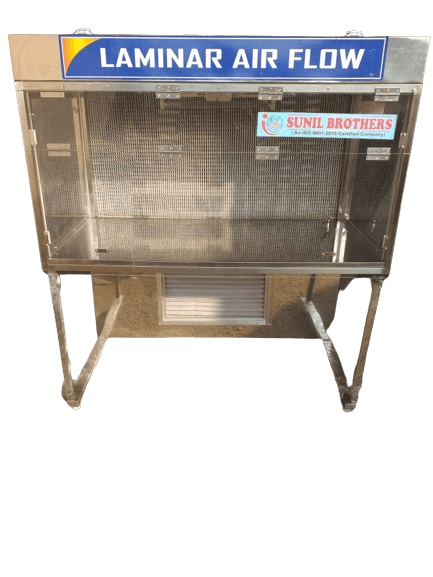
A Laminar Air Flow (LAF) unit is one of the most critical pieces of equipment in microbiology, pharmaceutical, biotechnology, and quality control laboratories. It provides a contamination-free working environment by delivering filtered air through a High-Efficiency Particulate Air (HEPA) filter in a uniform direction. Proper operation and maintenance of the Laminar Air Flow workstation are essential for ensuring accurate test results, product safety, and regulatory compliance.
This Standard Operating Procedure (SOP) for Laminar Air Flow units outlines the mandatory guidelines for cleaning, operating, and maintaining both vertical and horizontal LAF cabinets. Following these procedures helps laboratories maintain sterile conditions and minimize contamination risks during microbiological testing and product handling.
The primary objective of this SOP is to establish a standardized procedure for the cleaning, operation, and maintenance of Laminar Air Flow workstations. The procedure applies to all vertical and horizontal LAF units installed in microbiology laboratories, pharmaceutical production areas, research facilities, and quality control departments.
By adhering to this SOP, laboratory personnel can ensure consistent airflow performance, proper sterilization, and compliance with industry standards.
The successful implementation of Laminar Air Flow SOP depends on clearly defined responsibilities:
Before and after every laboratory session, the Laminar Air Flow workstation must be cleaned using lint-free cloths and approved disinfectants.
Proper cleaning eliminates contaminants and helps maintain the sterile environment required for sensitive laboratory operations.
UV sterilization is performed before laboratory activities begin.
Since UV-C radiation can damage skin and eyes, personnel must never remain inside the room during sterilization.
After UV sterilization:
This purging process removes any residual airborne particles and prepares the workspace for aseptic operations.
The differential pressure gauge is a critical indicator of HEPA filter performance.
Operators should:
Regular pressure monitoring ensures proper airflow velocity and filtration efficiency.
To maintain sterile conditions during operation:
Following aseptic handling techniques significantly reduces contamination risks and improves testing reliability.
A well-implemented Laminar Air Flow SOP provides several benefits:
A Laminar Air Flow unit serves as the foundation of sterile laboratory operations. Proper cleaning, UV sterilization, airflow verification, and aseptic handling are essential for maintaining a contamination-free environment. By implementing a comprehensive Laminar Air Flow SOP, laboratories can achieve consistent performance, regulatory compliance, and reliable microbiological testing outcomes.
Escolabs Laminar Air Flow systems are designed to support modern laboratory requirements by delivering superior airflow control, efficient filtration, and dependable contamination protection for pharmaceutical, biotechnology, research, and quality control applications.
Sunil Brothers is a North India based organization located in Ambala, Haryana. The firm is engaged in the manufacturing and supplying of Laminar Flow Air Cabinet,Bio Safety cabinet, Fume Hood, Inoculation Chamber, Tissue Culture Rack,pharmacy equipment,autoclaves.. Read More
© Copyright | All Rights Reserved | Designed By Web World India

