
Assisted Reproductive Technology (ART) and embryology laboratories demand the highest levels of precision, environmental control, and sterility. Equipment such as the IVF Workstation plays a vital role in providing a clean, temperature-controlled microenvironment for handling sensitive gametes and embryos.
To maintain strict laboratory quality control and prevent unexpected equipment downtime, proper care and routine maintenance are absolutely essential. At Sunil Brothers, we engineer sophisticated laboratory equipment built for high reliability. Here are 5 essential practices to maximize the lifespan, safety, and performance of your IVF Workstation.
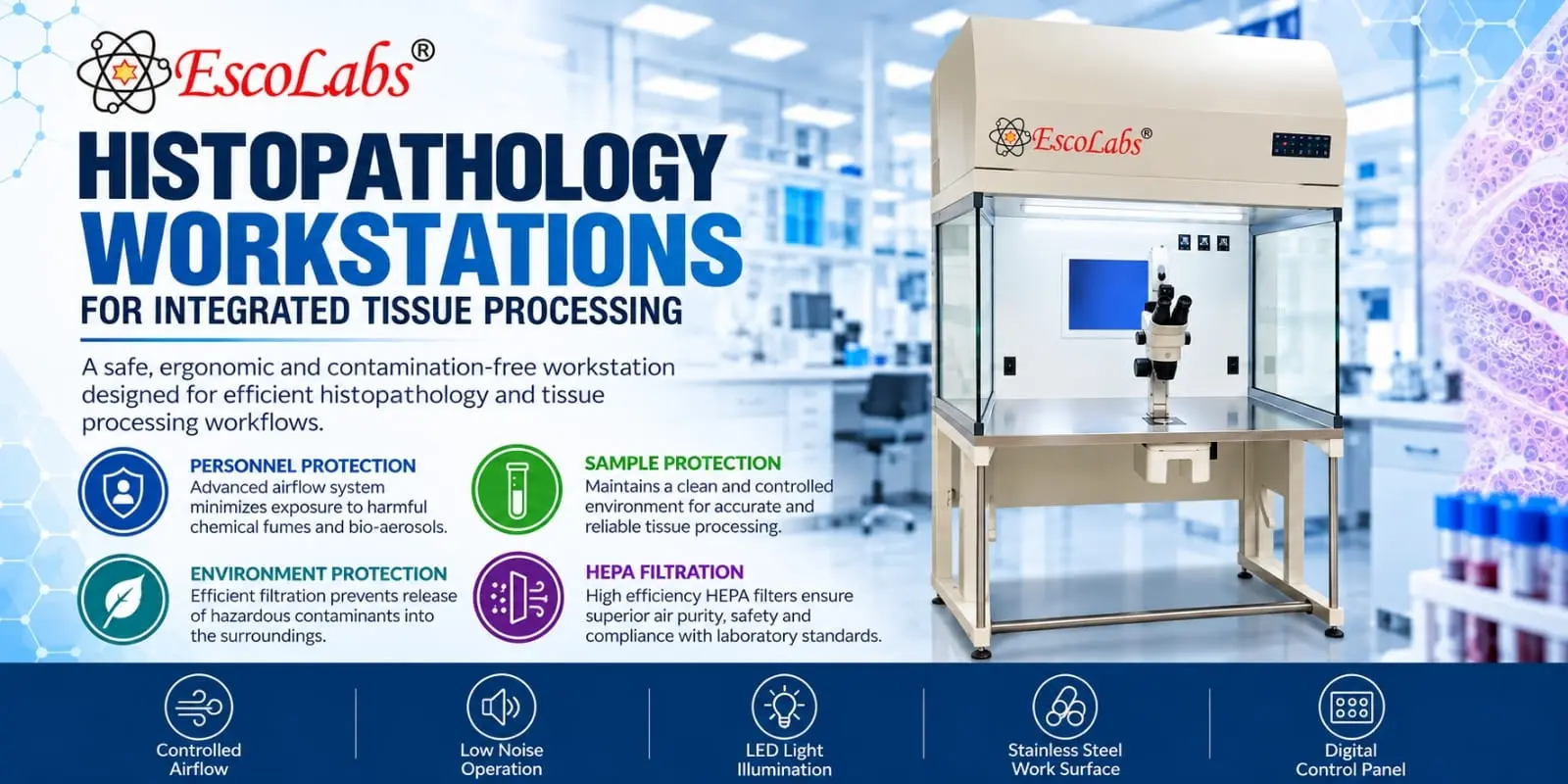
Maintaining an ultra-clean workspace is critical to protect embryos from airborne contaminants and volatile organic compounds (VOCs). Regularly clean the work surface using non-toxic, medical-grade disinfectants recommended for cleanrooms. Additionally, monitor and replace the HEPA and carbon filters of your IVF Workstation periodically to ensure pristine air quality inside the chamber.
Embryo development is extremely sensitive to thermal fluctuations. Heated stages and integrated incubator compartments within the IVF Workstation must maintain stable temperatures continuously. Schedule routine calibration checks using certified digital thermometers to guarantee that thermal distribution remains uniform across all working zones.
Many advanced workstations rely on precise mixed-gas regulation (such as $CO_2$, $O_2$, and $N_2$) to create optimal physiological culture conditions. Regularly inspect gas lines, regulators, and sensors connected to your IVF Workstation to prevent leaks, pressure drops, or gas mixture inaccuracies that could jeopardize sensitive samples.
Clear visualization is fundamental during ICSI and embryo transfer preparation. Inspect built-in stereo microscopes, anti-vibration platforms, and LED illumination systems regularly. Keeping optical lenses clean and checking mechanical components ensures that the IVF Workstation operates smoothly without visual distortion or mechanical vibrations.
Uninterrupted power supply is critical for IVF laboratories to prevent sudden environmental drops during procedures. Ensure that your IVF Workstation is connected to reliable UPS backups and surge protectors. Routine preventive servicing by professional technicians from Sunil Brothers helps identify minor electrical or mechanical wear before it impacts daily lab operations.
Proper maintenance, strict sterilization protocols, and routine calibration are indispensable for ensuring the success of any embryology laboratory. By adhering to these preventive practices, fertility clinics can protect sensitive cultures while extending the operational lifespan of their core infrastructure. The advanced IVF Workstation manufactured by Sunil Brothers offers superior thermal stability, ergonomic design, and uncompromised safety, giving medical professionals complete confidence during critical assisted reproduction procedures.
Esco Labs provides high-quality laboratory and pharmaceutical equipment designed for reliable performance, precision, safety, and long-term use.. Read More
© Copyright | All Rights Reserved | Designed By Web World India